



SECU-RAT

1st intelligent rat management system

Secu-rat transforms litter bins into a new means of detection and control that is effective, targeted and ethical, making it possible to limit the use of chemical baits.

Hardware
Patended
Security
100%
innovation
100% french

They trust us

Our rodent control solutions

Detection, control and monitoring of rat populations

Secu-rat helps you monitor and control rodent populations directly at their feeding sites, as soon as the first individual is detected. By restricting access to food, you can manage their spread where it matters. From field equipment to strategic support, choose the level of intervention that fits your spaces and needs.

SECU-RAT

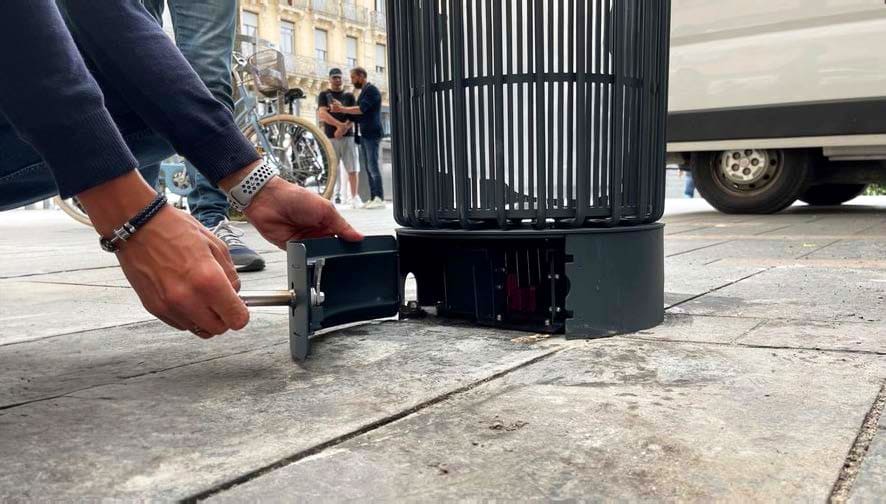
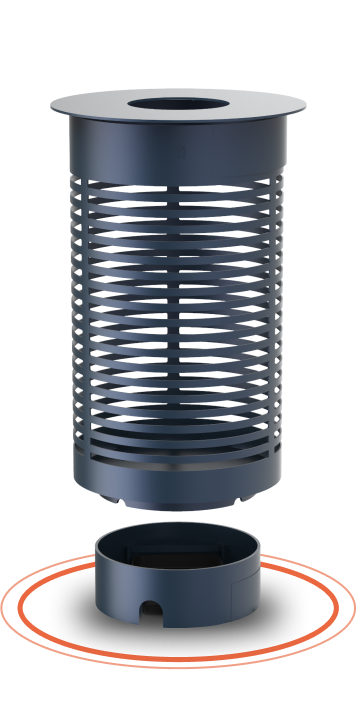
Adaptable to over 100 existing litter bin ranges
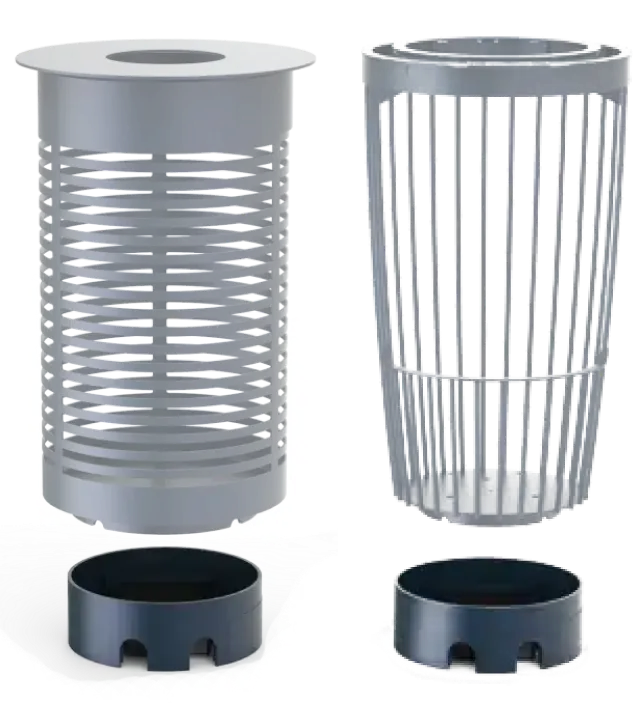
SECU-RAT devices beneath two litter bin models The field essentials
  • Device placed under litter bins
  • Discreet, secure rodent control
  • Reduced use of rodenticide baits
  • Mechanical trapping and baiting
  • Not included: 4 hours of online training
  • Not included: Multiple patented sensors
  • Not included: Real-time consumption monitoring
  • Not included: Access to the data platform
  • Not included: Device maintenance
  • Not included: Monthly statistical report
  • Not included: Dedicated hotline: 4 hours/year
Information request — SECU-RAT

SECU-RAT + SECU-RAT CONNECT

The device and real-time monitoring platform
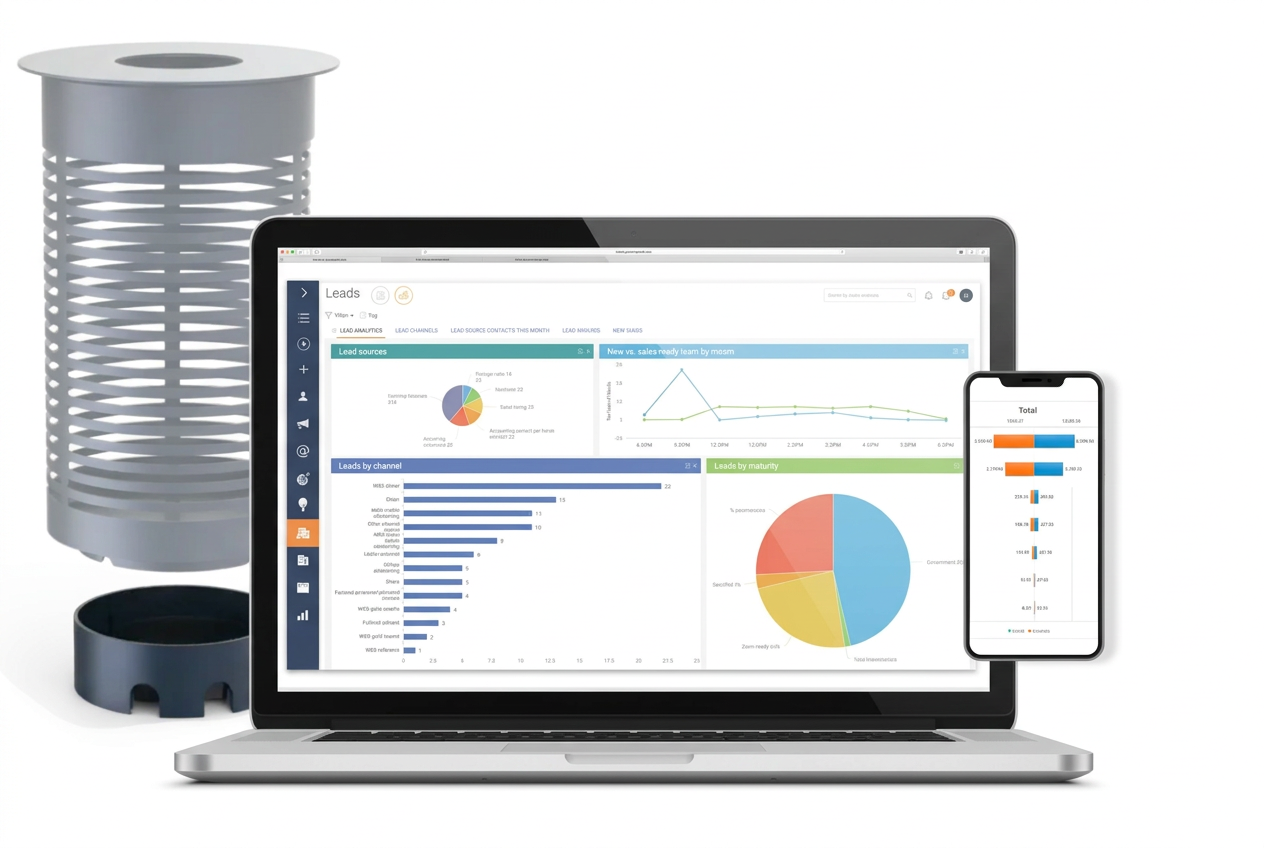
SECU-RAT Connect with its desktop and mobile dashboard The connected solution
  • Patented device placed under litter bins
  • Discreet, secure rodent control
  • Reduced use of rodenticide baits
  • Mechanical trapping and baiting
  • 4 hours of online training
  • Multiple patented sensors
  • Real-time consumption monitoring
  • Access to the data platform
  • Device maintenance
  • Monthly statistical report
  • Dedicated hotline: 4 hours/year
Information request — SECU-RAT +

Rodent audit

A scientific, health-focused and integrated approach
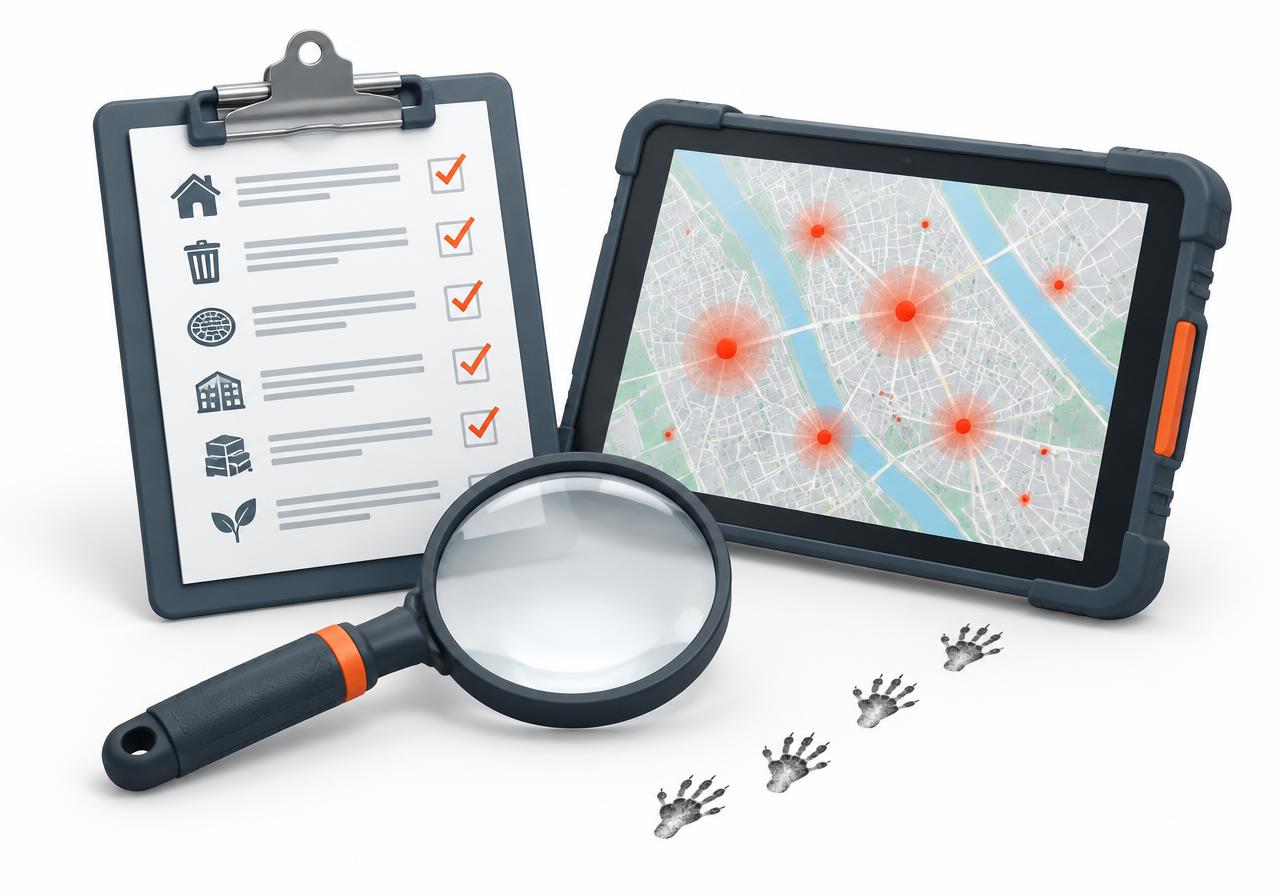
Rodent survey: field checklist, map and magnifying glass Scientific expertise
  • Species and infestation identification
  • Health, economic and environmental issues
  • Presence factors: habitat, resources and movement
  • Assessment of existing control methods
  • Reduction of the site’s carrying capacity (environment, food…)
  • Prioritised short-, medium- and long-term action plan
  • Monitoring indicators for continuous improvement
Information request — Rodent audit

Project management assistance (AMO)

Consistency and coordination across all rodent control activities

Project management dashboard, documents and safety helmet Tailored project support
  • Coordination across stakeholders and professional teams
  • Contract definition, procurement and monitoring
  • Technical assessment and action plan
  • Preparation of technical specifications
  • Scientific and technical monitoring (12 months minimum)
  • Dashboard: priorities, presence and interventions
  • Evaluation and internal management guide
Information request — Project management assistance (AMO)

You are a...

Town Hall / Community

Discover

Station / Airport

Discover

Hotel / Restaurant

Discover

Company

Discover

Outdoor Hospitality

Discover

Motorway Area

Discover

Leisure Park

Discover
case study

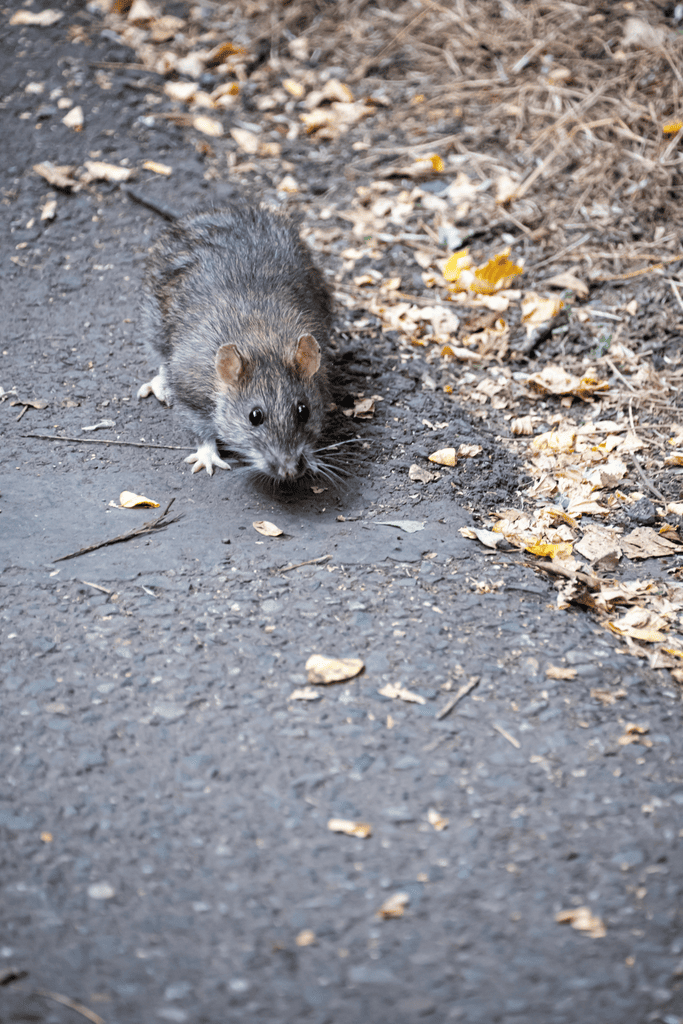
Before SECU-RAT, rats were visible in broad daylight and people were afraid to empty their bins

The tests were carried out in different habitats: near green spaces and bushes, near flower meadows, along the banks of rivers and lakes, in car parks, picnic areas and near children’s play areas.

Two towns are being tested, one with a population of 20,000 and the other with 180,000. The effectiveness of the 4 types of prototypes was tested by comparing the use of each device with that of secure bait boxes placed in strategic locations.

Our measurements covered both the quantity of placebo baits consumed inside each device (baits with no active substance), and also the number of people using the devices by presence detection and video monitoring, in order to come up with a scientifically validated product.

our history

About SECU-RAT

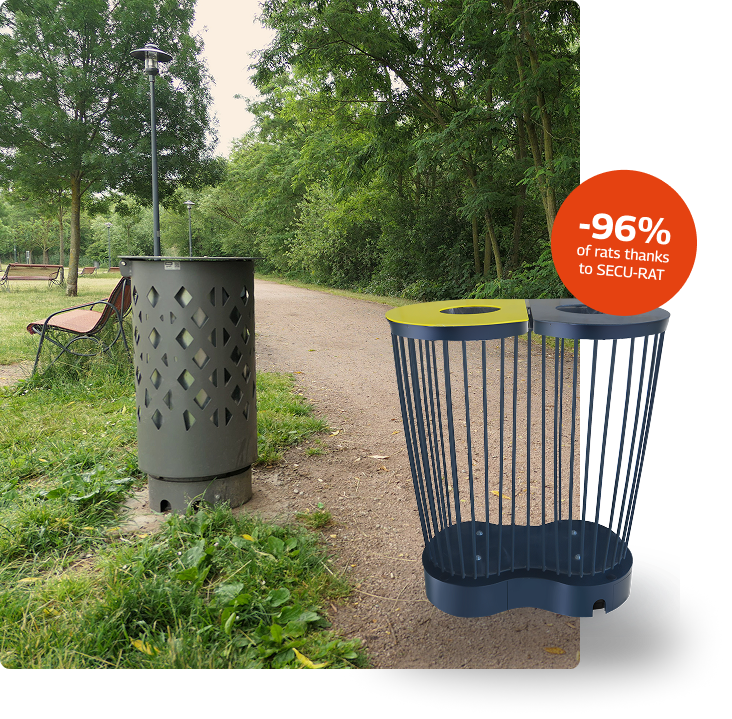
SECU-RAT is a litter bin extension that can be placed directly under litter bins, where rodents prefer to live.

Patented and adaptable to a wide range of existing litter bins, SECU-RAT meets social, economic, environmental and health needs.

The system has been tested in several towns and cities, won awards and been scientifically validated so that it can be fully integrated into an “Integrated Pest Management” approach.

WHO WE ARE

A 100%
innovative team

An idea can give rise to many things, but it’s only when the right people come together with the right will that projects become reality.

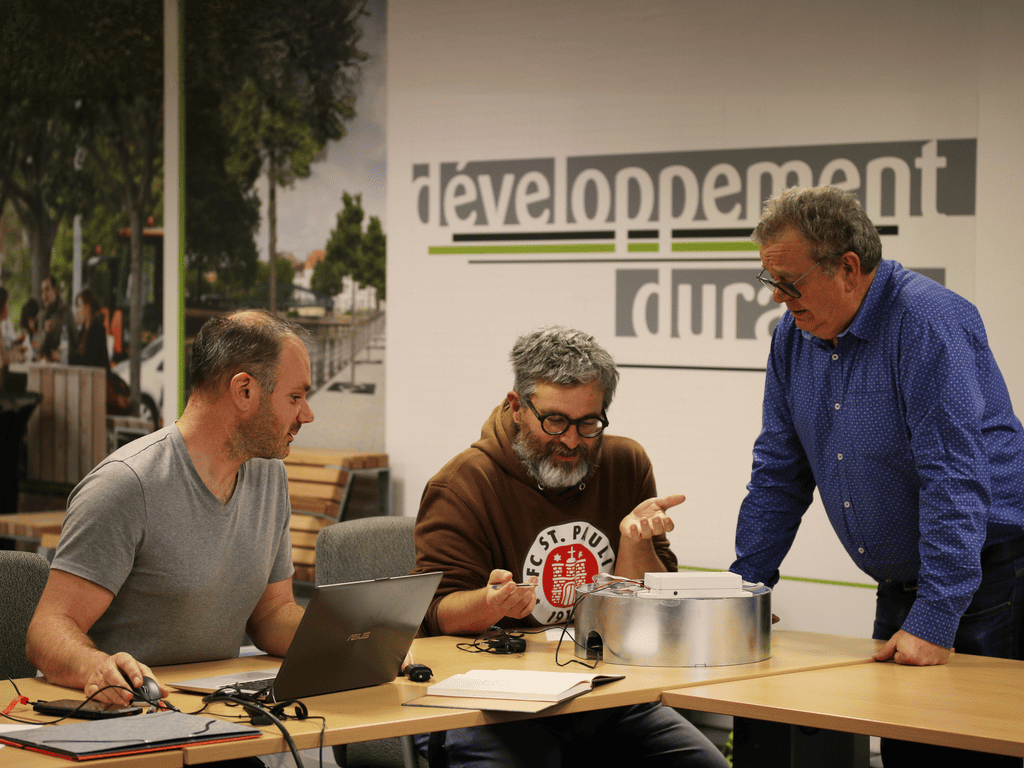
It took 3 years to develop Secu-rat, from the idea to the first prototype, then to its deployment for field testing in several towns, including the scientific validation of the results, adjustments, technical choices and the rationalisation of materials with a view to eco-design.

WHO WE ARE

Frequently asked questions

Find the answers to the most frequently asked questions here.
We’re here to help!

SECU-RAT is an eco-responsible company specialising in the development of innovative solutions, providing support […] for your pest and rodent control efforts.

SECU-RAT aims to act upstream of infestations by monitoring and restricting access to food, thereby controlling the population before it becomes established and reproduces.

The system is being installed in an unprecedented location, where it’s needed most!

SECU-RAT’s aim is to prevent rodent populations from proliferating in the first place, in the interests of public health. We offer expertise and support tailored to each structure.

The term “litter bin” is generally associated with waste containers intended for public spaces and often used in urban cleaning contexts. It is the term most officially used by local authorities and public space professionals.
The term “dustbin” is perceived as a more general term, encompassing different types of dustbins, and is widely used by the general public.

in the press

People are talking about us

RSE

Ethics
& Safety

Rodent control in the urban environment is at the heart of a number of issues: availability of food, favourable habitats, animal ethics and the risk of exposure and poisoning of non-target species by rodenticides. By acting directly on feeding sites, it is possible to limit populations by reducing their ability to feed.

The system allows action to be taken as soon as the first rodent is detected, well before a large population develops.